
NetMoniAI explores AI-driven network defense for SOC teams
NetMoniAI is an open source framework combining local AI agents with central analysis to enhance network monitoring and security for CISOs.
A new open-source research project, NetMoniAI, developed by Texas Tech University, aims to revolutionize network monitoring and security by combining distributed AI agents with centralized analysis. The framework is designed to help CISOs and SOC teams detect and respond to threats more effectively.
How NetMoniAI Works
The system operates on a two-layer architecture:
- Node-level agents: Lightweight AI monitors on individual machines analyze local network traffic, detect anomalies, and generate human-readable summaries using language models.
- Central controller: Correlates data from multiple agents to identify cross-network patterns and coordinated threats.
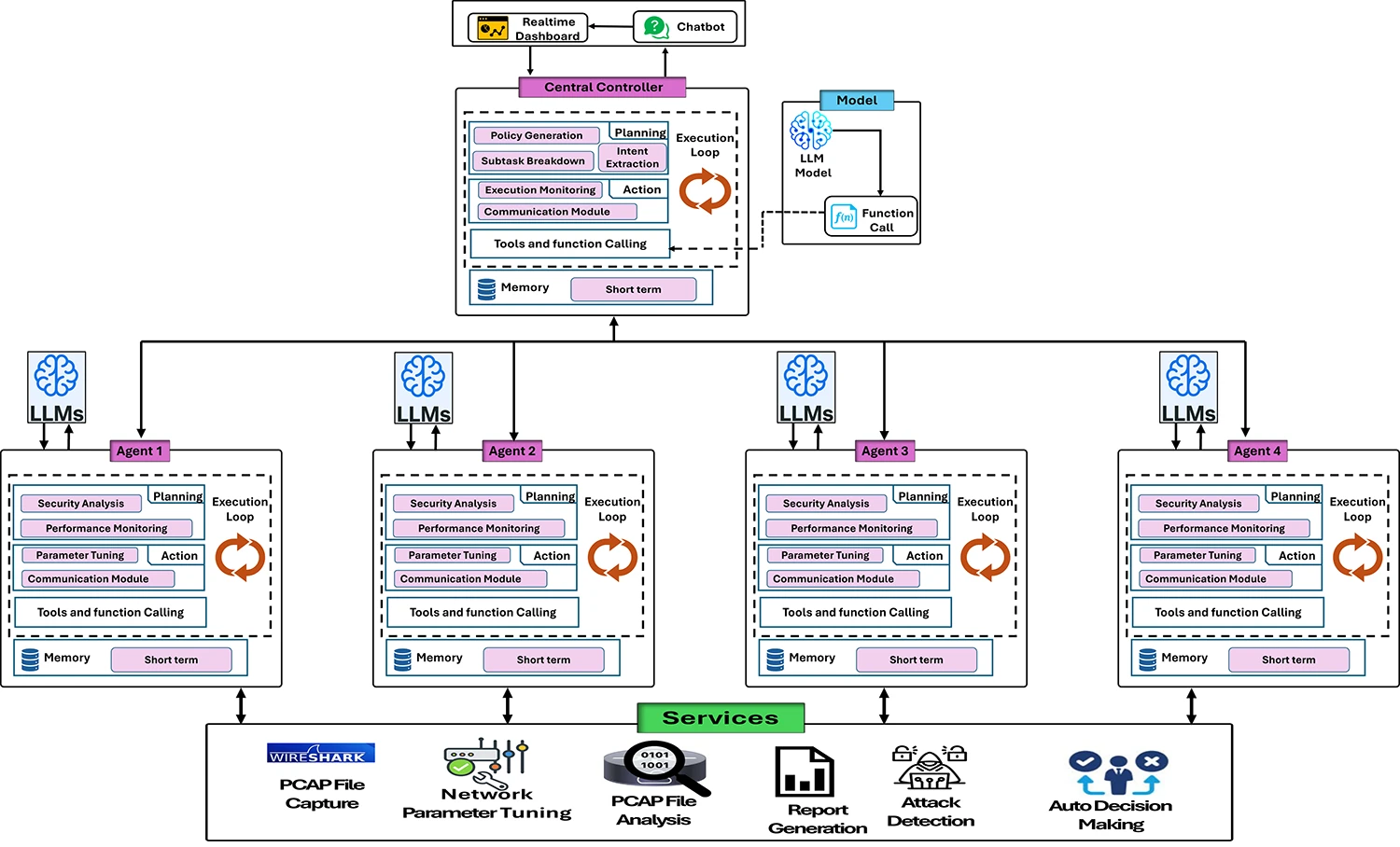
Early Testing Shows Promise
- Small-scale physical testbed: Detected anomalies and classified traffic within 5 seconds.
- Simulated attacks (DoS, reconnaissance): Scaled to 50 nodes, with agents identifying threats and the controller linking observations.
The framework emphasizes speed, scalability, and interpretability, offering a dashboard and chatbot for clear explanations.
Potential Impact on SOC Operations
NetMoniAI addresses longstanding challenges in network monitoring:
- Packet-level inspection vs. flow-based monitoring trade-offs.
- Reducing false positives and redundant alerts.
- Surfacing distributed attacks that traditional methods miss.
Corey Nachreiner, CISO at WatchGuard, noted: "An AI-based hybrid system could detect early anomalies on a single system and correlate follow-on attacks, giving defenders multiple chances to break the chain."
Challenges Ahead
While promising, NetMoniAI faces hurdles:
- Enterprise-scale testing: Untested in high-traffic, regulated environments.
- Cost and latency: Dependence on large language models raises concerns.
- Autonomy vs. control: Security teams may hesitate to grant AI agents too much independence.
Pallavi Zambare, co-author, emphasized: "This is not about replacing humans. Analysts retain final authority, while AI provides structured reports and recommendations."
Related News
AWS extends Bedrock AgentCore Gateway to unify MCP servers for AI agents
AWS announces expanded Amazon Bedrock AgentCore Gateway support for MCP servers, enabling centralized management of AI agent tools across organizations.
CEOs Must Prioritize AI Investment Amid Rapid Change
Forward-thinking CEOs are focusing on AI investment, agile operations, and strategic growth to navigate disruption and lead competitively.
About the Author

Dr. Sarah Chen
AI Research Expert
A seasoned AI expert with 15 years of research experience, formerly worked at Stanford AI Lab for 8 years, specializing in machine learning and natural language processing. Currently serves as technical advisor for multiple AI companies and regularly contributes AI technology analysis articles to authoritative media like MIT Technology Review.